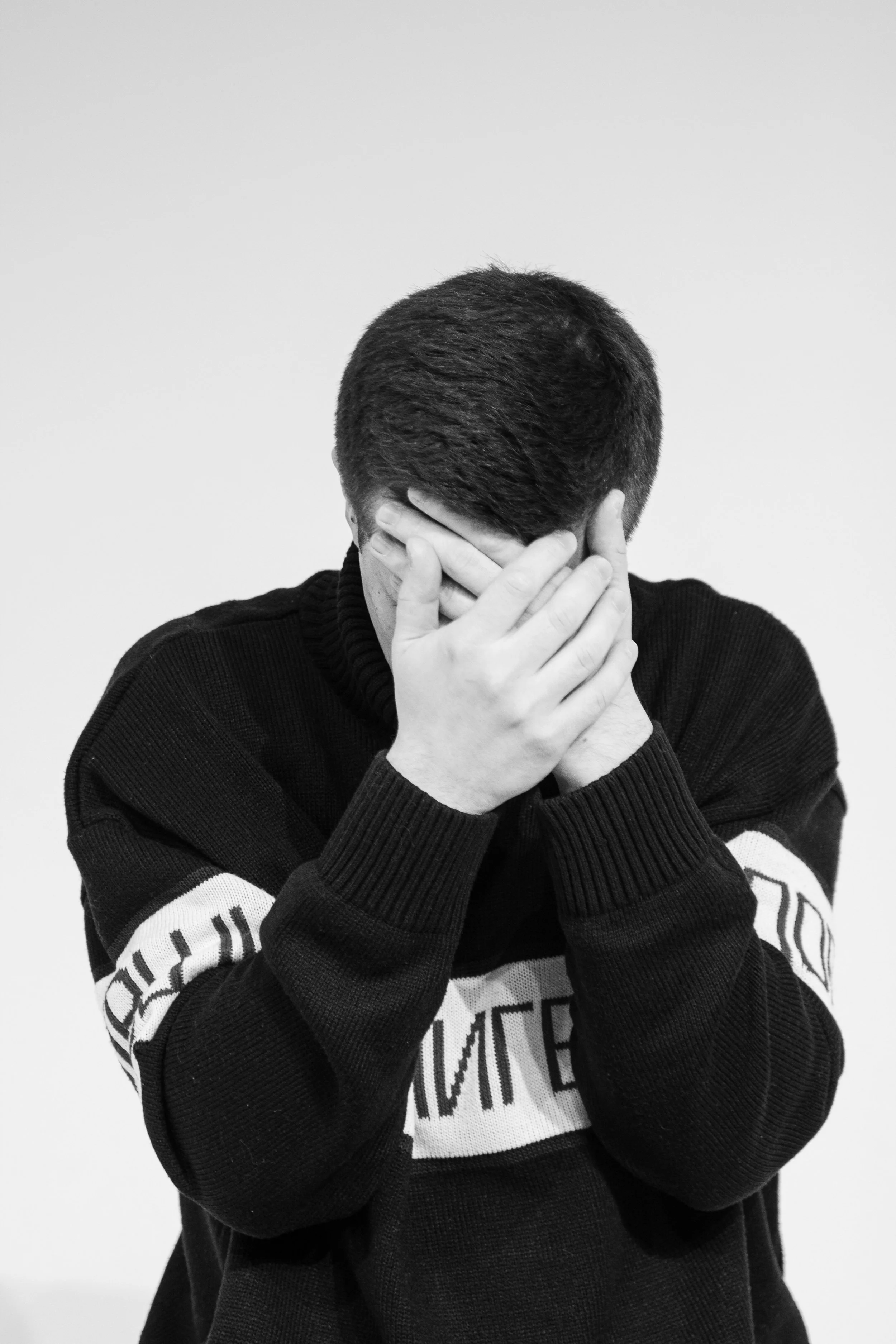
Sulking is the word that most reliably produces contempt — in the partner who witnesses it, and often in the person doing it, who frequently cannot stop and cannot exactly explain why. It is one of the most misunderstood relational behaviours, partly because it looks like manipulation and is sometimes used as such, but is more often something closer to shame in motion: a retreat so total it becomes its own form of protest.
The sulk is the argument that cannot yet be spoken. It is what happens when grievance accumulates without finding language — when a person feels too exposed, or too unheard, or too unsure of their own ground to make a direct claim. The sulk says, without words: something has happened, and I need you to know it, but I cannot yet tell you what it is, and I am not certain you would hear it even if I could. It is simultaneously a withdrawal and a demand. The sulker is absent and requires attention. This contradiction is not accidental. It is the structure of the communication.
There is also something in sulking that is pre-verbal — that belongs to a time before language was available for grievance. The infant who cannot yet say you hurt me, you left me, you didn't see me has only withdrawal, stillness, a turning of the face. The adult sulk carries this residue. It is often most legible when understood not as passive aggression but as developmental regression: a return to the only form of protest available at the moment the injury first became intolerable.
The clinical difficulty with sulking is that it creates exactly the relational conditions that make it necessary. The partner who cannot read it feels punished without trial. The person sulking feels unseen even in their protest. The exit from the sulk — which requires only that the feeling find a word before it finds a withdrawal — is one that both people can usually see from a distance. What they have not yet found is the safety to do it when the moment arrives.
The single-furrow plough moves alone, in its own groove. The sulk, understood this way, is not a weapon. It is a tool that belongs to a field that has not yet been shared.